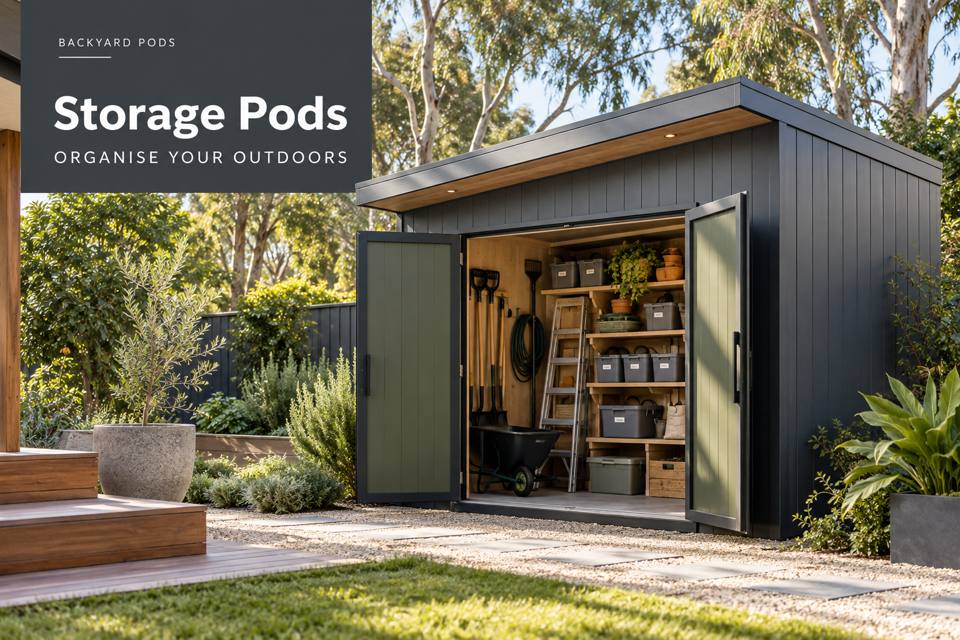
Plan a Forster storage pod with a measured camping inventory, clear kit labels and a practical pack-and-return sequence.
Family camping equipment is easier to manage when its storage follows the way a trip is prepared and packed away. In Forster, a dedicated storage pod can provide a clear home for ordinary tents, bags and accessories, subject to the requirements of the particular contents. Start with a verified inventory. The objective is to find complete kits quickly and recognise missing pieces before departure, rather than simply hide a collection of boxes behind a door.
◈ Record the equipment in usable groups
Forster's lake and ocean setting provides a regional context for outdoor interests. The actual storage proposal should follow the household's equipment and property conditions. Lay out one complete camping kit and note how items are carried to a vehicle. Identify the route between the proposed pod and loading point, including steps or narrow turns that affect bulky bags.
Separate ordinary stored equipment from products with special storage requirements. Follow manufacturer instructions and relevant professional advice for fuels, batteries or other sensitive items; do not assume the general storage room is suitable for them. Define the pod's intended contents clearly. This makes both the building brief and shelf specification more accurate.
Design shelving around packed dimensions
Measure tents and bedding in their normal storage bags. A shelf sized for loose equipment may not accommodate the packed kit used by the household. Discuss expected loads and supports with the shelving supplier or carpenter. Large lightweight bags and smaller heavier containers may need different positions to make retrieval manageable.
Labels should identify the kit and its main purpose. An inventory card can list components without cluttering the whole wall with instructions. Leave a temporary checking surface or defined floor position where a kit can be opened before departure. Keep that work area distinct from the circulation route so packing does not make the rest of the pod inaccessible.
▦ Organise the camping storage sequence
| Group | Storage purpose | Useful verification |
|---|---|---|
| Shelter kit | Keeps associated pieces together | Packed bag dimensions |
| Sleeping kit | Presents equipment ready for review | Quantity and condition record |
| General accessories | Makes small items traceable | Label and component list |
| Checking position | Supports preparation for departure | Space to open one complete kit |
Consider the return as carefully as departure
Equipment may need cleaning, drying or inspection before storage, according to its instructions. Describe where those tasks occur rather than expecting a closed pod to perform them automatically. Provide a distinct place for an item awaiting attention so it is not mistaken for ready equipment. A simple status label can make that distinction clear to everyone in the household.
For New South Wales storage proposals, obtain advice relevant to the address and intended contents. Review ground levels, stormwater, support design and component delivery with the project team. Ventilation and environmental conditions should be considered for the building and equipment, with qualified input where necessary. Clarify external paths and service connections in the quotation.
The inventory brief should include:
- Packed sizes and expected weights of the main equipment.
- The household's departure and return procedures.
- Items excluded because they need specialist storage.
- A date and method for reviewing missing components.
✓ Prepare an orderly equipment store
- Assemble a complete representative camping kit and list its parts.
- Measure packed bags and the route to the loading position.
- Select shelving with appropriate support and retrieval access.
- Establish checking, cleaning and ready-for-use status arrangements.
- Request a written building and storage fit-out proposal.
Make the next trip easier to organise
Explore storage pods with a camping inventory that supports real preparation. A Forster storage pod becomes a useful household asset when complete kits are visible, conditions are appropriate and returning equipment has a clear process. Accurate labels and considered shelving bring practical order to an outdoor interest without relying on oversized, undefined storage.
