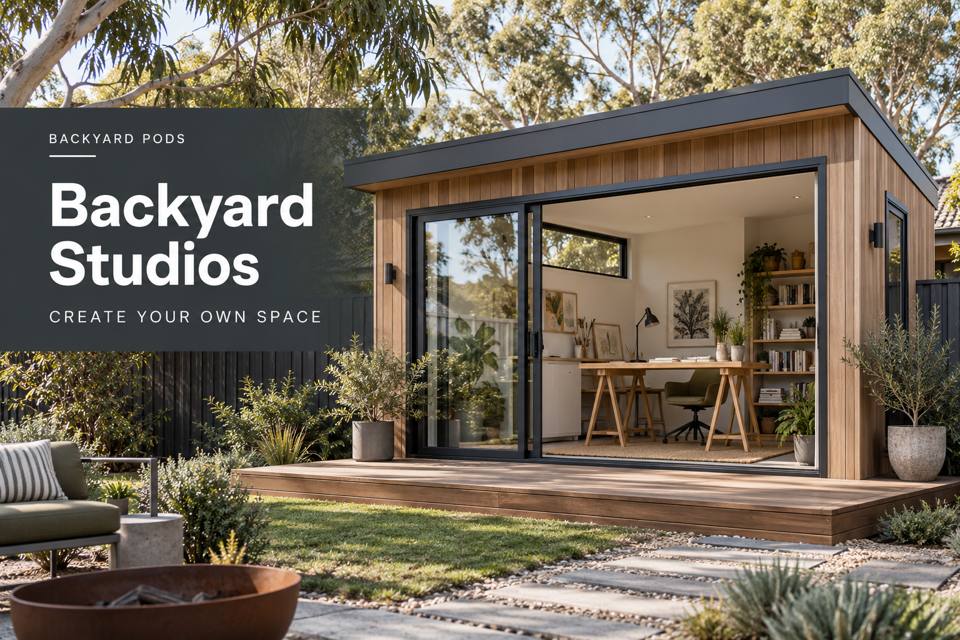
Hervey Bay Backyard Studios for Textile Pattern and Colour Work: explore practical layout choices, material and service coordination, and a clear project brief based on the intended use.
◈ Define the purpose before choosing the fitout
Hervey Bay's protected coastal waters provide a regional palette reference for textile design. A backyard studio can translate that inspiration into sample comparison, pattern preparation and orderly material storage. Start with the fabrics and tools the maker genuinely uses. The most persuasive room is one whose surfaces and circulation support the real work, rather than a generic coastal theme.
A pattern surface measured from the usual fabric width
Draw the cutting or layout surface using the material dimensions, not a standard dining-table footprint. Test access along the sides the maker needs. Where specialised tools are used, include their instructions and service requirements in the project brief before the surface is finalised.
Colour samples viewed together under the proposed lights
Textile colour can look different across lighting arrangements. Bring actual swatches to the design discussion and compare them in the intended room position. The aim is a deliberate review setting; avoid claiming that a particular fitting guarantees accurate colour for every material and process.
Rolls and folded fabric assigned different storage
Long rolls and folded pieces create different support and retrieval requirements. Measure both groups and discuss their weights with the storage provider. Labels should identify the material and current project so the maker can return an item without searching through the entire collection.
An inspection position for completed textile pieces
Provide a place where the finished work can be laid out or displayed for checking. Keep it apart from unfinished cutting activity where practical. The maker should define the inspection criteria, including dimensions or finish details, and record them against the relevant project requirements.
▦ Compare the details that matter
| Design decision | Information to request | Intended result |
|---|---|---|
| A pattern surface measured from the usual fabric width | A fabric-width layout showing the work surface and required working positions | Pattern materials being positioned without covering unrelated equipment or circulation space |
| Colour samples viewed together under the proposed lights | A swatch comparison under the intended lighting with notes on the maker's preferences | Material choices being reviewed using tangible samples within the proposed studio setting |
| Rolls and folded fabric assigned different storage | Separate storage dimensions and documented supports for rolled and folded textile materials | Fabric groups remaining identifiable and retrievable throughout the maker's project routine |
| An inspection position for completed textile pieces | A completed-work review area linked to the maker's actual checking criteria | Finished textile pieces being assessed without displacing work still in preparation |
When comparing backyard studios in Hervey Bay, bring information about a pattern surface measured from the usual fabric width to the consultation. For an address in Queensland, confirm the relevant site and use requirements with appropriate professionals. Review an inspection position for completed textile pieces within the same coordinated proposal.
Practical priorities for the quotation
- Request a fabric-width layout showing the work surface and required working positions; clarify the responsible contributor.
- Document a swatch comparison under the intended lighting with notes on the maker's preferences; clarify the responsible contributor.
- Retain separate storage dimensions and documented supports for rolled and folded textile materials; clarify the responsible contributor.
- Include a completed-work review area linked to the maker's actual checking criteria; clarify the responsible contributor.
✓ Develop the proposal in five steps
- Review a pattern surface measured from the usual fabric width with the provider. Ask how the proposal supports pattern materials being positioned without covering unrelated equipment or circulation space.
- Review colour samples viewed together under the proposed lights with the provider. Ask how the proposal supports material choices being reviewed using tangible samples within the proposed studio setting.
- Review rolls and folded fabric assigned different storage with the provider. Ask how the proposal supports fabric groups remaining identifiable and retrievable throughout the maker's project routine.
- Review an inspection position for completed textile pieces with the provider. Ask how the proposal supports finished textile pieces being assessed without displacing work still in preparation.
- Confirm the coordinated scope, with a completed-work review area linked to the maker's actual checking criteria, before manufacture or installation is committed.
Summary: a room with a documented purpose
Hervey Bay Backyard Studios for Textile Pattern and Colour Work benefits from decisions tied to actual users and property conditions. Start with pattern materials being positioned without covering unrelated equipment or circulation space. Coordinate this with material choices being reviewed using tangible samples within the proposed studio setting. The supporting brief should also address fabric groups remaining identifiable and retrievable throughout the maker's project routine. At the final review, confirm the provisions for finished textile pieces being assessed without displacing work still in preparation. Use the drawings, product information and itemised scope as the agreed project reference.
