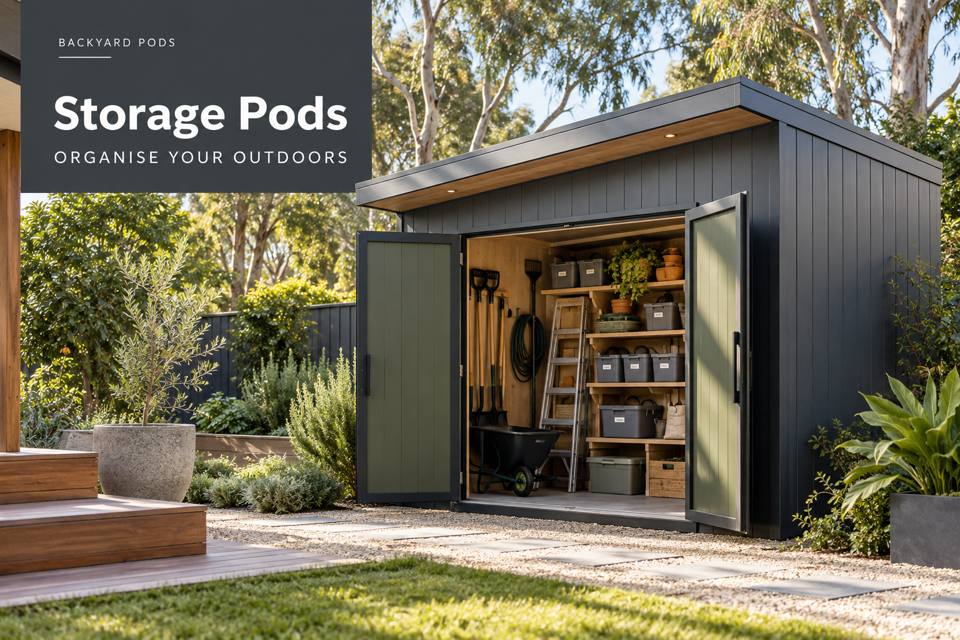
Plan a Kiama storage pod with organised outing supplies, practical retrieval and clear separation of clean and returning items.
Preparing for an outing is easier when the supplies are already grouped. A storage pod in Kiama can provide a dedicated home for picnic equipment, folding furniture and the belongings that otherwise move between cupboards and the garage. The design should follow the way the household packs and returns. Carefully chosen shelving and a clear loading surface can make the pod useful throughout the year without turning it into an undifferentiated pile of outdoor possessions.
Inventory the outing rather than the cupboard
Lay out the items used for a typical trip. Include their packed dimensions and any instructions relevant to storage. Folding chairs, baskets and rigid containers have different shapes, so one shelf depth will not suit everything. Decide which items are used together and keep those groups easy to retrieve.
Kiama's beaches and bays provide an obvious context for coastal outings. The storage building nevertheless belongs to a particular garden, with its own access, exposure and drainage. Record the route from the pod to the vehicle or house. An awkward gate or narrow turn may matter more to daily retrieval than a small difference in the building's external dimensions.
Make packing a clear sequence
Within New South Wales storage-pod enquiries, specify the actual items and intended activities. The fit-out should support collection, checking and return rather than merely maximising shelf count. Provide an open surface or defined floor position where a complete outing set can be reviewed before leaving.
| Supply group | Storage intention | Practical check |
|---|---|---|
| Folding furniture | Keeps awkward shapes together | Retrieval without moving unrelated equipment |
| Picnic containers | Holds clean, ready-to-pack items | Internal shelf dimensions and labels |
| Returning belongings | Provides a temporary sorting position | Clear separation from the clean reserve |
Store equipment according to its product guidance and condition. Wet or soiled items may need cleaning and appropriate drying before they return to enclosed storage. The pod should support the household's chosen routine, while avoiding unsupported promises that a building will automatically protect every material from moisture or deterioration.
Specify shelves for the real loads
Give the carpenter or shelving supplier the weights and sizes of stored items. A deep shelf may look capable but still need a defined support and fixing arrangement. Include the proposed building substrate so installers can select appropriate methods. Heavy or frequently handled items should be considered carefully in the layout and placed to suit the household's handling abilities.
Lighting helps make labels and objects easy to see. Coordinate any electrical work with qualified trades and keep switches accessible on entry. Discuss ventilation, security preferences and the maintenance of external cladding as part of the complete proposal. Site levels, supports and roof water management should be resolved before interior shelves disguise access points.
Prepare these storage details:
- Packed dimensions and approximate weights of the largest items.
- Groups normally taken out together.
- Cleaning and return arrangements after an outing.
- The route used to carry equipment between pod and vehicle.
Build the storage brief in five stages
- Assemble a complete outing kit and record each item's storage requirements.
- Group the supplies by use and mark a practical packing position.
- Arrange site advice on permissions, drainage, supports and delivery access.
- Agree shelf dimensions, fixing details, lighting and the clean-item separation.
- Compare quotations and trial a full pack-and-return cycle when installation is complete.
Spend less time searching before leaving
Explore storage pods with a measured inventory of the household's outdoor supplies. A Kiama storage pod can make outings more straightforward when equipment is visible, grouped and easy to carry out. Purposeful shelving and a documented building scope give the room lasting value, helping it remain an organised resource rather than another place where possessions become difficult to find.
