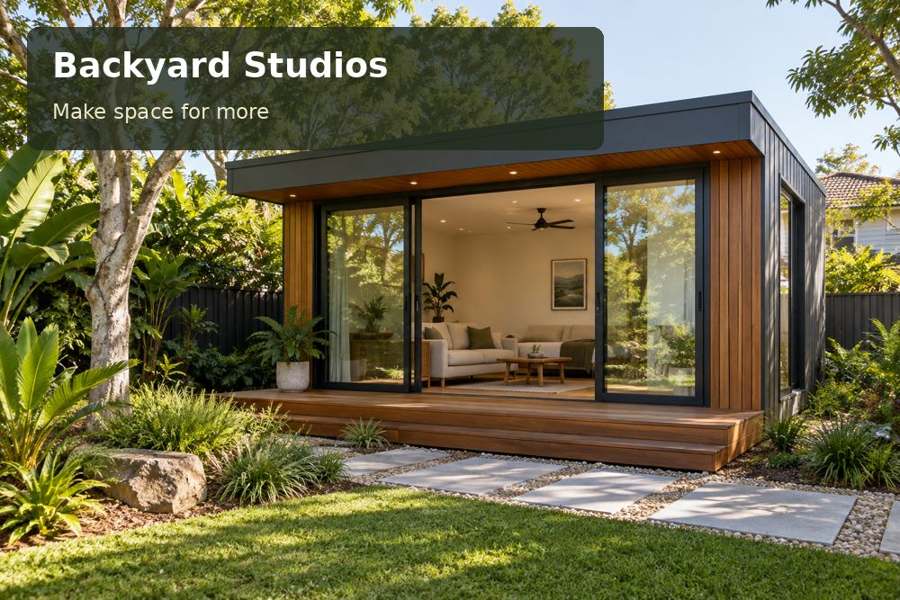
Create a Maitland interview studio with comfortable conversation seating, traceable recording notes and a considered relationship with household sound.
Family history recordings preserve more than a sequence of dates. They capture the way someone tells a story, the pauses before a memory and the photographs used to explain it. A studio in Maitland can give these conversations a settled place without turning the whole home into a temporary recording area. The design should help participants feel welcome while giving the interviewer enough organisation to follow the material and preserve its identity afterwards.
Arrange a conversation before arranging equipment
Begin with the people. Decide whether most recordings involve one visitor, two relatives or an interviewer working alone with existing material. Place comfortable seats at a conversational distance and trial the microphone arrangement normally used. A formal desk between participants may be unnecessary if the interview method depends on a relaxed exchange.
Maitland's Hunter River and heritage setting offers a local connection to remembered places. Personal recollections should still be recorded as recollections, with dates and supporting material checked separately where accuracy matters. The room can make that distinction easier by keeping interview notes and verified reference material identifiable.
Make the interview table modest and useful
A small surface can hold photographs, notes and the few objects relevant to a session. It should not require a participant to reach across cables or equipment. Include the position of an opened album, since its spread can be much larger than its stored size.
| Session element | Purpose | Trial with participants |
|---|---|---|
| Conversation seats | Support a relaxed exchange | Comfortable posture and clear route |
| Reference surface | Holds selected photographs | Open album and ordinary hand movement |
| Recording position | Captures the intended discussion | Actual microphone and equipment arrangement |
| Notes location | Keeps questions available | Reach without interrupting the conversation |
Keep unrelated family archives outside the active interview area. A room full of interesting material can make it harder to follow one person's account. Select references before the session and give borrowed items a defined return position.
Listen to the room as well as the speaker
Test the actual recording equipment in the proposed garden location. Household activity, outside sounds and equipment operation may affect the result. Discuss any important sound requirements with suitable advisers rather than assuming that a detached room provides a particular acoustic performance.
If window coverings or furnishings help the intended workflow, choose them for that purpose and check their operation from the seats. Recording settings and file management remain separate responsibilities. A well designed studio cannot replace a reliable process for labelling, checking and backing up the material.
- Associate each session with a clear date and participant record.
- Identify photographs without marking original items unnecessarily.
- Keep borrowed albums separate from permanent household storage.
- Reserve a visible place for questions awaiting later checking.
Coordinate the building with the archive
A carpenter can provide measured album shelving or a shallow notes cabinet. Describe the collection's weight and dimensions, then retain comfortable retrieval rather than filling every wall. Lighting should serve both faces and reference material without becoming distracting during conversation.
For New South Wales studio projects, describe intended use and visitor attendance accurately. Assess ground levels, support conditions and water disposal for the address. Construction delivery needs a realistic final approach, including turns and any low obstructions that affect installation.
Coordinate electrical supply, data and comfort equipment around the occupied session. Keep leads outside the visitor route and servicing access free of archive furniture. Review seasonal ventilation and privacy so an enjoyable conversation does not require participants to rearrange the room.
Establish the recording studio thoughtfully
- Define the usual participants and interview method.
- Trial seating, reference material and recording equipment together.
- Test the location's sound and establish a traceable file routine.
- Coordinate shelving, lighting, comfort and site installation requirements.
- Record a short complete session and review both use and organisation.
Explore backyard studios with a typical album and a realistic interview plan. A Maitland family-history studio can provide a respectful, practical setting where memories are heard clearly and the material behind them remains easy to identify.
