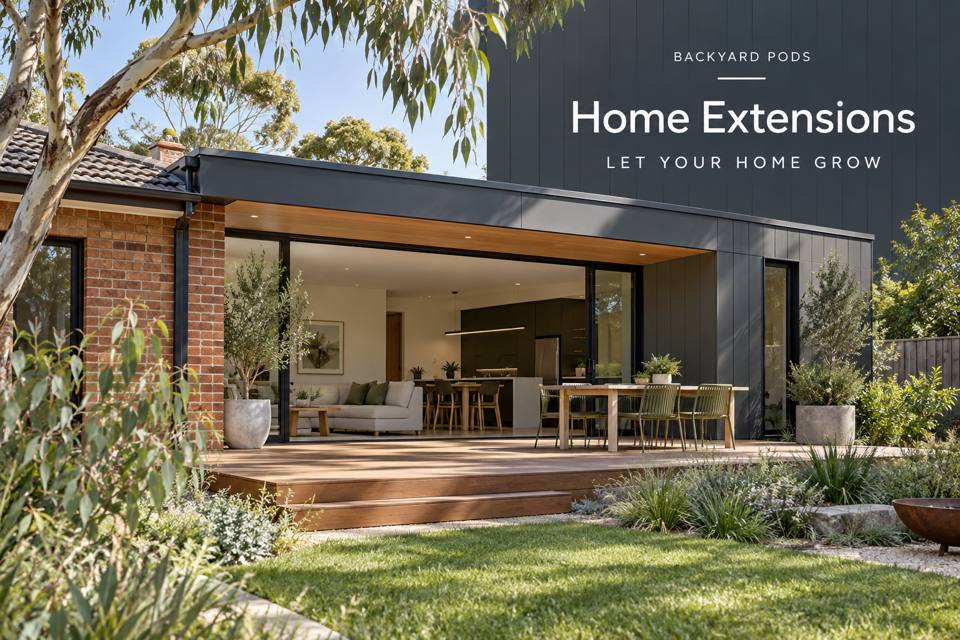
Plan a Queanbeyan home extension where meals and selected household projects share a table through a clear, manageable changeover routine.
A dining room can support another household activity when the changeover is designed deliberately. In Queanbeyan, an extension might accommodate shared meals and a selected paper-based project without allowing one use to permanently displace the other. The strongest brief names both activities and explains when they occur. The room's value comes from a table that remains useful, with storage and circulation supporting a realistic household rhythm.
◈ Define the compatible second activity
Queanbeyan's river setting and heritage architecture provide local character. The extension should respond to the particular family and existing house. Choose a secondary task that genuinely belongs at the dining table, such as planning an outing or reviewing school materials. Describe its equipment and duration rather than treating the room as capable of every possible hobby.
Rehearse both uses on the current table. Measure the meal arrangement, occupied chairs and the secondary project's full spread. Identify what has to be moved during changeover. This test can reveal whether a nearby trolley, drawer or removable board would help, or whether the proposed combination is too cumbersome for the household to maintain.
Give changeover items a nearby destination
Storage should receive the active project without requiring a journey through several rooms. Measure its containers and confirm that the intended cabinet opening accommodates them. Ask the carpenter about supports and hardware. A broad external cabinet profile may conceal narrow internal divisions that make returning the project awkward.
Keep dining items and project material clearly grouped. The arrangement need not be elaborate, but it should be understood by everyone using the room. A short reset sequence can explain what leaves the table before a meal. Avoid relying on a permanently clear sideboard if the household already uses that surface for another purpose.
▦ Compare the two room modes
| Mode | Household requirement | Detail to test |
|---|---|---|
| Shared meal | Comfortable seats and serving space | Occupied table and chair movement |
| Secondary activity | Useful paper or project spread | Actual materials and duration |
| Changeover | Quick removal of active items | Container size and nearby storage |
| Room reset | Restores the dining function | Clear agreed sequence |
Connect the room to existing circulation
The extension's route from the kitchen matters to both activities. Show people carrying dishes alongside occupied seating, with any connecting doors open. Review how conversation affects adjacent rooms at the expected hours. Lighting should support meals and the selected project, with a qualified electrician coordinating controls and outlets according to furniture positions.
A New South Wales extension needs advice specific to the property and existing building junction. Qualified professionals should assess levels, drainage, structural supports and relevant service changes. Discuss glazing, shade and environmental comfort for the room's real schedule. The quotation should identify house connection work, fitted storage and finishes so its scope is complete enough for useful comparison.
The dual-use brief should include:
- Both activities, their usual timing and the number of users.
- The objects that must leave the surface during changeover.
- Container dimensions and a clear nearby storage destination.
- Household circulation and noise considerations around occupied seating.
✓ Test the shared room before building
- Rehearse a meal and the selected second activity separately.
- Measure occupied furniture and the full working spread.
- Trial a complete changeover using the proposed storage method.
- Coordinate lighting and professional advice on the house connection.
- Obtain an itemised proposal reflecting both tested room modes.
Make flexibility a practical household choice
Explore home extensions with two clearly defined activities rather than an unlimited multipurpose promise. A Queanbeyan dining extension can offer persuasive value when the table changes roles easily and returns to its meal function. Thoughtful storage and coordinated construction turn flexibility into an everyday advantage the household can genuinely use.
