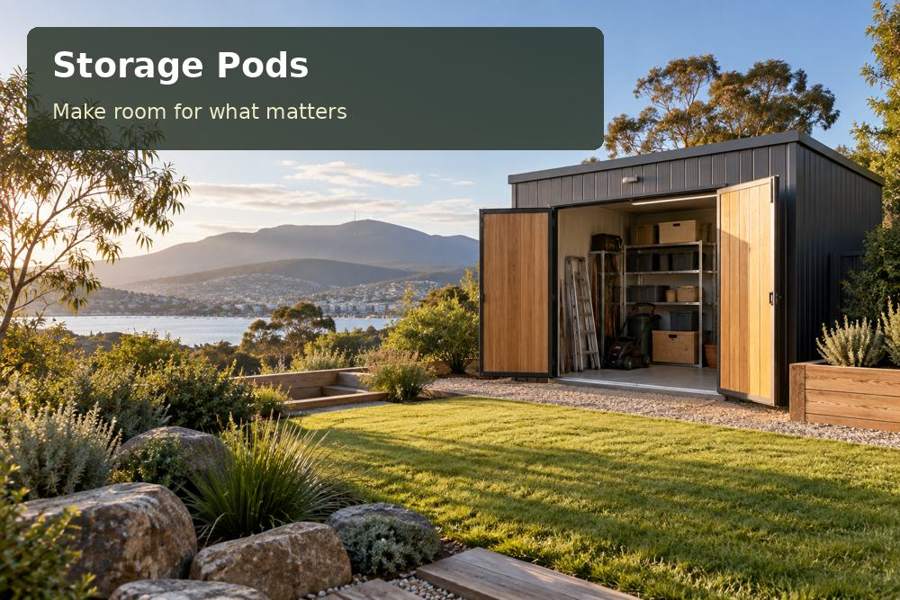
A dedicated storage pod can free space inside a Brisbane home, particularly when bikes, sporting equipment and outdoor gear compete with everyday belongings. The value comes from access and preservation rather than simply accumulating a larger pile behind a new door.
A dedicated storage pod can free space inside a Brisbane home, particularly when bikes, sporting equipment and outdoor gear compete with everyday belongings. The value comes from access and preservation rather than simply accumulating a larger pile behind a new door. Explore storage pods in Brisbane, then list what you will store, how often you need it and the conditions those items require.
Sort by use and moisture before drawing shelves
A bike used each morning should sit close to the entrance, while seasonal equipment can occupy less accessible space. Separate clean stored goods from items returning wet or muddy. A family that routinely puts damp gear into closed cupboards needs a drying strategy, not only more storage volume.
Brisbane’s warm, humid periods make moisture management relevant to an enclosed store. The site itself matters as well. A low corner, shaded retaining wall or existing ponding area can introduce problems that ventilation alone will not resolve. Assess drainage and finished floor levels before choosing a convenient but unsuitable garden position.
Make the door match the contents
Measure the largest item and its carrying route. A bicycle can need more handling space than its parked dimensions suggest. Garden equipment may require a different doorway and floor loading from boxes of household goods. Discuss loads and storage systems with the designer rather than attaching heavy shelves to an unspecified wall assembly.
| Stored item | Arrangement to explore | Detail to confirm |
|---|---|---|
| Bicycles | Accessible racks or clear parking bays | Doorway and turning space |
| Sports bags | Ventilated organised storage | A method for drying gear before storage |
| Seasonal decorations | Labelled closed containers | Shelving capacity and reachable positions |
| Garden equipment | Separate easy-clean zone | Floor loading and safe access |
Avoid making a narrow central aisle the only route to frequently used items. A layout that requires moving three objects to reach the fourth quickly loses its appeal. Draw shelves at their true depth and include the space needed to handle equipment.
Plan a dry, secure and maintainable room
Ask how ventilation, condensation and exterior weather protection will be handled. Stored items differ: paperwork and electronic equipment have needs that are not equivalent to pool toys or garden tools. A basic storage shell should not be assumed suitable for sensitive possessions without an appropriate specification.
Security should suit the contents and the property. Discuss doors, locks, lighting and visibility from the house without advertising an unsupported level of protection. Keep cleaning access available behind and beneath storage where practical. A tidy floor and manageable interior make signs of leaks or pests easier to notice.
Fit the pod into the garden responsibly
Trees, drainage channels and service routes should be identified on the site plan. Foundation design depends on the ground, even when the building is not occupied as a living room. Obtain advice on relevant approvals and the intended use. The label “storage” does not establish a universal exemption.
Do not rely on an ordinary storage pod for fuels, chemicals or other materials requiring special arrangements. Describe any such contents to qualified professionals so storage can be assessed appropriately. Keep food or animal attractants in suitable sealed containers, and avoid leaving the building open to wildlife.
- Prepare an inventory with dimensions and approximate loads.
- Mark which items are used daily, weekly and seasonally.
- Identify belongings needing controlled moisture or temperature.
- Photograph delivery access, the proposed site and existing drainage.
- Ask for shelving, security and ventilation to be separately specified.
Build an organised storage routine
- Remove unnecessary items before calculating the new space.
- Group the remaining contents by access frequency and storage conditions.
- Test doorway, handling area and shelf depth on a plan.
- Arrange site, approval and foundation advice.
- Label zones and establish drying and inspection routines when the pod is complete.
Gain usable space through better organisation
Review storage pods in Queensland and storage pods across Australia before requesting a proposal. Send your Brisbane location and storage inventory with access photographs. A useful storage pod offers a place for the right items in the right conditions, making household space easier to manage throughout the year.
Nearby towns and suburbs
Local information
Regional context does not replace assessment of the individual property. Sources checked on 29 September 2026.
Back to articles and guides