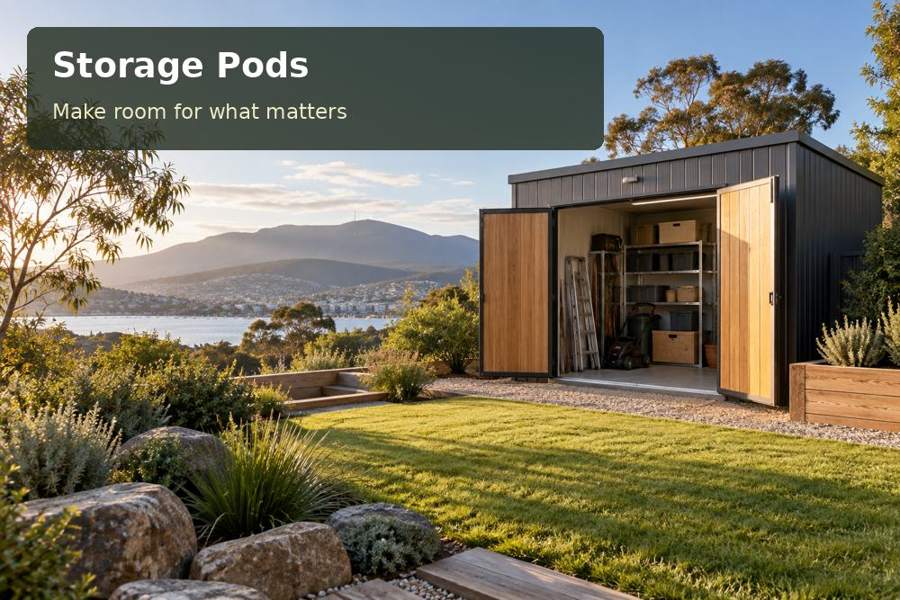
Entertaining is easier when the extra chairs, serving pieces and table linens have an orderly place between occasions. For Sydney, a storage pod can relieve crowded cupboards while keeping the household’s hosting collection understandable. Explore storage pods through an inventory-led design that preserves the garden and makes preparation feel deliberate, rather than adding another room of mixed boxes.
Entertaining is easier when the extra chairs, serving pieces and table linens have an orderly place between occasions. For Sydney, a storage pod can relieve crowded cupboards while keeping the household’s hosting collection understandable. Explore storage pods through an inventory-led design that preserves the garden and makes preparation feel deliberate, rather than adding another room of mixed boxes.
Organise the collection around an occasion
Start with the largest gathering the household normally accommodates. Record the number and dimensions of folding chairs, spare tables and robust serving accessories, then distinguish them from fragile pieces needing special care. A room designed for ordinary household belongings should not be marketed as an archival or specialist preservation environment. Valuable glassware, delicate textiles and heirlooms require their own assessment of suitable packaging and conditions.
Place an inspection surface near the entrance. Before a dinner or family celebration, the owner can assemble what is needed there, check the list and carry it to the house. That same surface supports orderly returns afterwards. It should remain available, rather than becoming a permanent shelf for unrelated items.
Make a compact Sydney site work coherently
Destination NSW’s harbour information describes Sydney through its water, islands, sandstone headlands and bushland. A backyard project needs evidence from the actual address within that varied setting. Measure ground levels, driveway clearances and the available passage around the home. Consider what neighbours will see and which outdoor areas the household uses most.
The pod does not need to dominate a small garden to feel purposeful. A restrained finish, thoughtfully positioned doorway and clear path can establish a discreet service area. Ask the designer to compare the room’s internal wall lengths with the external space it consumes. Nominal floor area is less helpful than a drawing that shows the real furnishings and their movement.
A fit-out for retrieval and return
| Collection | Suitable layout question | Handling priority |
|---|---|---|
| Folded chairs | How many fit in an accessible supported bay? | Retrieve one without releasing the whole stack |
| Table accessories | Which containers suit the measured pieces? | Keep labels visible from the aisle |
| Household linens | What conditions and packaging are appropriate? | Inspect contents before reuse |
Cabinet depth should follow the containers. Deep cupboards can conceal smaller items and encourage unnecessary stacking. Discuss safe support for heavier serving pieces and avoid improvising wall fixings after the lining is complete. A licensed electrical installer can coordinate lighting if required, with the sorting surface receiving useful illumination rather than a shadow from the opening door.
Coordinate the envelope and arrival route
Roof-water disposal, foundation design and the finished entrance level should be resolved by the responsible professionals. A decorative landing is part of that conversation because it can affect both movement and drainage. Verify applicable requirements in New South Wales for the property and proposed use; neither size nor a factory-made appearance establishes an approval exemption.
Before accepting the supply scope, give the transport provider accurate information about gates, bends and overhead obstructions. Confirm who prepares supports, who places the module and who completes any connections. Product documentation should describe the external cladding and maintenance needs, with claims restricted to what the selected specification supports.
- Keep a clear location for checking an entire event kit.
- Label boxes by occasion and contents, avoiding anonymous mixed cartons.
- Leave exterior inspection points reachable after shelves are installed.
- Remove damaged or redundant items during the return routine.
Five steps towards a hosting-store proposal
- Count the entertaining essentials and measure the objects that determine shelf and door dimensions.
- Map the journey from the kitchen or dining area to the proposed garden entrance.
- Investigate the site, intended use and storage needs with qualified designers and relevant authorities.
- Review a scaled fit-out alongside the supplier’s complete delivery and installation responsibilities.
- Agree handover documents and a simple inventory system before moving the collection into its new bays.
Summary and project enquiry
A dedicated entertaining store can give a Sydney household useful breathing room without losing control of its possessions. Request a proposal built around the measured hosting collection, a practical checking surface and the assessed site. The most convincing design shows how an occasion begins and ends, with the garden, materials and installation treated as parts of the same project.
