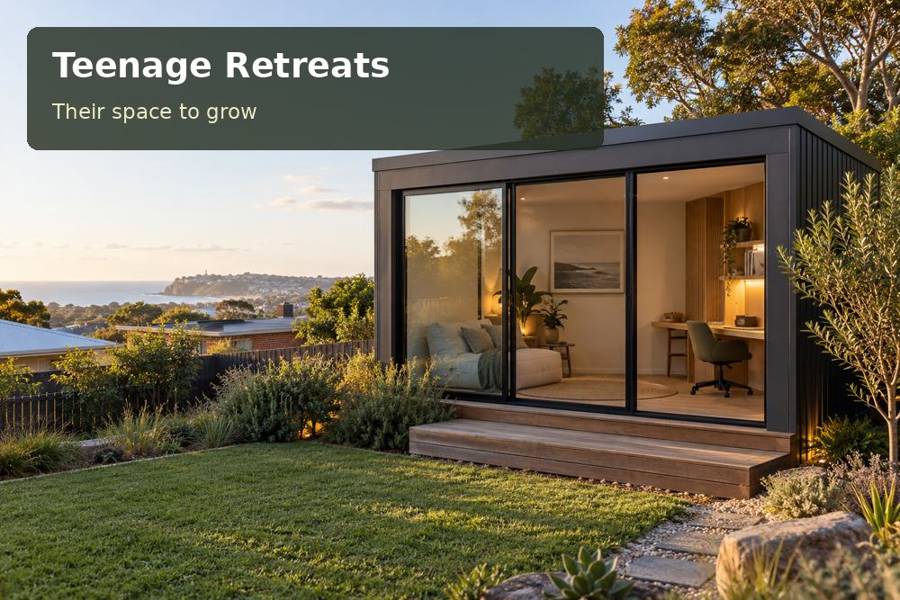
Create a Taree drawing retreat with usable paper space, organised art materials and a simple routine for keeping school projects ready for the next session.
A teenager working on an art project needs room for the page, reference material and the objects used to make it. A retreat in Taree can provide that room without leaving every unfinished drawing on the household table. The design should make creative work easy to resume while preserving a clear, comfortable entrance. Start by involving the intended user in the layout: their preferred materials and working posture matter more than an adult's assumption about an ideal study room.
Begin with the actual drawing practice
Some projects involve a sketchbook, while others use larger sheets or multiple references. Lay out a representative assignment with the teenager and measure the complete arrangement. Include the chair, lamp and any device used to view instructions. A compact desk can be useful, but it must support the work rather than force it to spill onto the floor.
Taree's Manning River surroundings can provide subjects for observation and illustration. The retreat's own garden view should be assessed from the working chair. Consider how daylight reaches the page and whether privacy coverings remain accessible during a session.
Keep active work separate from supplies
Art materials are easier to manage when the current project has a distinct place. Give unfinished sheets a supported resting position, with labels or folders that preserve their order. A general drawer filled with unrelated supplies may make restarting more difficult than leaving everything on the desk.
| Requirement | Useful provision | Full-size trial |
|---|---|---|
| Drawing | Clear supported surface | Largest usual sheet and hand movement |
| Reference review | Separate reachable position | Book or device beside the drawing |
| Project pause | Identified clean storage | Unfinished work without forced folding |
| Supplies | Understandable compartments | Actual materials and containers |
Discuss tools and products according to the activities intended and their instructions. The room should not imply that every art process is suitable simply because it has a worktable. Describe specialised needs before selecting equipment or storage.
Make furniture easy to maintain
A carpenter can coordinate the top, edges and compartments with the materials used. Surface protection should be replaceable where appropriate, and cleaning should not require moving a heavy furniture unit. Keep the layout flexible enough for changing school project formats without accumulating unnecessary accessories.
Ask the teenager how they would clear the desk before starting another subject. A simple return routine is more valuable than an elaborate system they will not use. Retain a visible location for current instructions and important deadlines.
- Label the current project and its next action.
- Keep clean paper away from cleaning materials.
- Give frequently used tools a consistent destination.
- Leave occupied chair movement clear of floor storage.
Coordinate light, comfort and household connection
An electrician can plan task illumination and outlets around the finished desk. Test shadows on the page from the intended hand position. If a device is used, keep its lead outside the entrance and chair route.
For New South Wales retreat proposals, explain the actual use and occupation to project advisers. A creative room and a proposed sleeping space should not be treated as interchangeable uses. Assess the site, supports and water-management arrangements for the intended building, and document construction delivery access before fabrication.
Review window coverings, ventilation and seasonal comfort with the teenager's expected working hours in mind. Equipment controls and maintenance positions must remain reachable after supplies are stored. The connection to the household should support practical supervision and ordinary daily movement.
Develop the drawing retreat together
- Demonstrate a current school project and preferred working posture.
- Measure paper, references, materials and the occupied chair.
- Assign separate destinations to supplies and unfinished work.
- Coordinate suitable use, joinery, task lighting and site requirements.
- Complete a project session and clear-up trial with the intended user.
Explore teenage retreats with examples of the teenager's real work. A Taree drawing retreat can make creative study more satisfying when it offers an understandable, manageable space shaped around the person who will use it.
