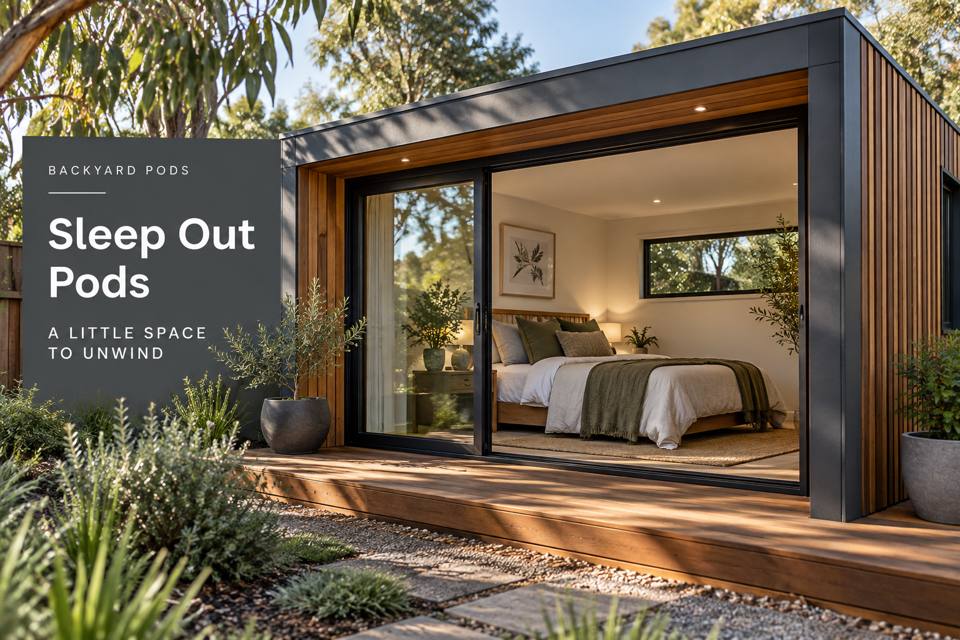
Plan an Ulladulla sleep out pod with clear evening controls, comfortable reading light and a well-defined sleeping-use brief.
Evening lighting has a strong influence on how a visitor experiences a small sleeping room. In Ulladulla, a sleep out pod should offer controls that are easy to locate and light that suits arrival, reading and movement. The design does not need an elaborate collection of fittings to feel considered. It needs a coherent sequence, developed with the occupied room and professionally coordinated electrical installation in mind.
◈ Follow a visitor through the evening
Ulladulla's harbour and South Coast setting provide an inviting regional context. At the property, identify how a visitor reaches the sleep out after dark and where they enter. Review the path, threshold and first control position with the project team. A pleasant interior fitting cannot compensate for an unclear approach or a switch hidden behind belongings.
Describe a normal evening from arrival to settling in bed. Include opening a bag, changing clothes and reading briefly. Mark the places where light is needed for each activity. This exercise can reveal that the central ceiling fitting serves circulation but leaves the reading position in shadow, or that a bright task light is unnecessarily visible from another person's pillow.
Make controls match the furniture arrangement
Select the bed and storage dimensions before finalising outlet and switch positions. A control should be reachable from its intended location without moving furniture or stretching awkwardly. Ask the electrician to explain the proposed arrangement and relevant installation requirements. Review any separate lamps for lead routing, manufacturer instructions and the space their bases occupy.
Clear naming can help visitors understand unfamiliar controls. If the arrangement has several functions, keep labels plain and concise. Avoid using decorative symbols as the only explanation. The room should remain intuitive, with a short host note reserved for details that genuinely need it rather than instructions for a confusing collection of switches.
▦ Allocate light by activity
| Activity | Lighting purpose | Review position |
|---|---|---|
| Arrival | Reveals the room and belongings | Doorway and first standing point |
| Clothing storage | Makes contents visible | Open drawer or hanging area |
| Reading | Illuminates the page | Actual seated or reclining posture |
| Movement | Clarifies the route through the room | Occupied furniture arrangement |
Balance daylight and evening use
Assess windows at the intended site and consider how blinds or shades will be operated. Daylight can be welcome while still requiring control for privacy and rest. Coordinate glazing and coverings with the larger comfort brief. Ventilation, insulation and heating or cooling should respond to expected occupancy and building conditions, with service access preserved after fit-out.
A proposed New South Wales sleeping room needs accurate advice on its intended use at the address. Describe visitors, occupancy and all service functions before ordering. The construction scope should address levels, drainage, supports, delivery and connections. Ask who provides electrical completion information and how the finished lighting plan will be explained at handover.
The evening brief should identify:
- The normal arrival and bedtime activities of visitors.
- Furniture that may conceal an outlet or control.
- Whether two occupants need independent reading lights.
- The preferred method for operating window coverings.
✓ Coordinate the lighting in five stages
- Walk the intended evening route from the house to the room.
- Mark each activity and occupied furniture position on the plan.
- Review proposed fittings and controls with the electrician.
- Test glare, reach and lead routes against actual furniture.
- Include commissioning and handover information in the written scope.
Make the room feel immediately familiar
Explore sleep-out pods with evening use described as clearly as daytime appearance. An Ulladulla sleep out gains persuasive comfort when visitors can find their belongings, read and settle without unnecessary uncertainty. A measured furniture layout and coherent lighting plan give a small room a polished, hospitable character supported by practical professional coordination.
