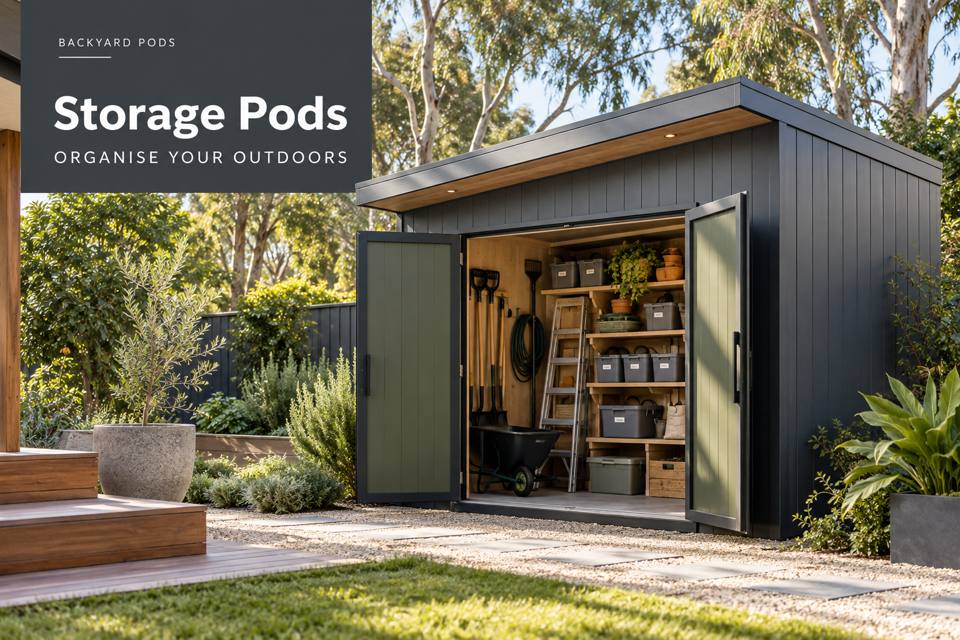
Spare-furnishing storage in Middleton should protect useful household pieces without making them impossible to retrieve.
Explore Storage Pods in Middleton with this specific use in mind.
Spare-furnishing storage in Middleton should protect useful household pieces without making them impossible to retrieve. Define the chairs, tables and other items genuinely kept between uses. The room needs assessed supports and a handling route based on real dimensions, with protective materials chosen according to relevant product guidance.
Measure furniture in its stored condition
Include folded legs, protective covers and any components stored separately. A chair stack has a different footprint from one chair. Record relevant weights and handling needs for advisers. Group pieces by use frequency so the owner's most common gathering does not require unloading the entire room to reach a table at the back.
Protect edges through the real route
Mock up carrying the largest piece through the doorway and around other stored contents. Include hands and turning space. Protective coverings should follow the furniture's care requirements rather than trap an item in an unsuitable arrangement. The retrieval route is part of the brief, not a remaining strip of floor after capacity has been maximised.
Assess stacking and support
Use supplier information and appropriate advice for stacking, racks or other storage arrangements. Do not infer safe capacity from a photograph of similar furniture. Ask the provider to specify nominated supports and fixings where relevant. Keep components such as removable legs labelled with their parent items, preserving the complete furnishing set rather than a collection of unidentified parts.
Rehearse the return after use
Describe cleaning and preparation according to the materials involved. Give items awaiting attention a distinct place rather than mixing them with ready furniture. Test the room with the normal returned set and storage fully occupied. Retain dimensions, product references and handling information so future additions can be checked against both capacity and the route needed to remove them.
◈ Assess the garden connection
At the Middleton property, evaluate the largest spare furnishing carried through the doorway turn as part of the complete design. Record the approach from the home, gate restrictions and the proposed doorway level. Ground preparation, supports and surface-water management require site-specific assessment and clear responsibility. A broad regional description cannot tell you how the selected patch of garden behaves. Identify planting to retain and a safe separation for pets during work. Any terrace should be shown at its proposed level so the building entrance and garden connection can be reviewed together.
Coordinate fabrication, services and handover
Treat assessed furniture supports and protected stored-component formats as part of a documented fabrication and delivery sequence. Confirm the route survey, assembly method and protection of already finished surfaces with the provider. Discuss retrieval lighting and any content-specific assessed provision early enough for the relevant trades to coordinate their work with glazing, lining and fitted furniture. Review a full furniture set stored beside the clear route for its largest piece at an honest scale before approving the manufacture. At completion, inspect the agreed finish and obtain the product and maintenance references needed to care for the installed components.
▦ Compare the project decisions
| Priority | Brief information | Practical review |
|---|---|---|
| Stored format | Stacks, covers and separate components | Measure the complete furnishing set |
| Carrying route | Largest piece and hand clearance | Test every doorway turn |
| Support method | Supplier information and nominated loads | Seek appropriate assessment |
Keep these priorities visible
- Stored format: Stacks, covers and separate components. Measure the complete furnishing set.
- Carrying route: Largest piece and hand clearance. Test every doorway turn.
- Support method: Supplier information and nominated loads. Seek appropriate assessment.
✓ Prepare the enquiry step by step
- Inventory spare furnishings by stored format and use frequency.
- Measure complete stacks, covers and removable components.
- Mock up carrying the largest piece through the room.
- Coordinate support assessment and relevant product care.
- Trial a complete use-and-return cycle with storage occupied.
Related local project guides
For the complementary workshops decisions in Middleton, compare Middleton Workshops for Repair Parts with an Intake-to-Reference Storage Sequence.
For a different storage pods use in Victor Harbor, review Victor Harbor Storage Pods for Garden Equipment with a Clean Inspection Bench.
Summary and next step
A practical furnishing store protects pieces and preserves their next use. Measure stored formats, test the carrying route and assess support methods. Clear component labels and return care help the collection remain useful rather than becoming a compact arrangement that nobody can unpack easily. Bring the completed checklist to your Middleton storage pods enquiry, with the property measurements and equipment list. Compare the storage pods range and the South Australia pages against that brief.
Regional references
For local landscape context, consult the council regional information. The Victor Harbor regional climate record offers background for seasonal planning; it does not establish the proposed property's exposure or construction requirements.
